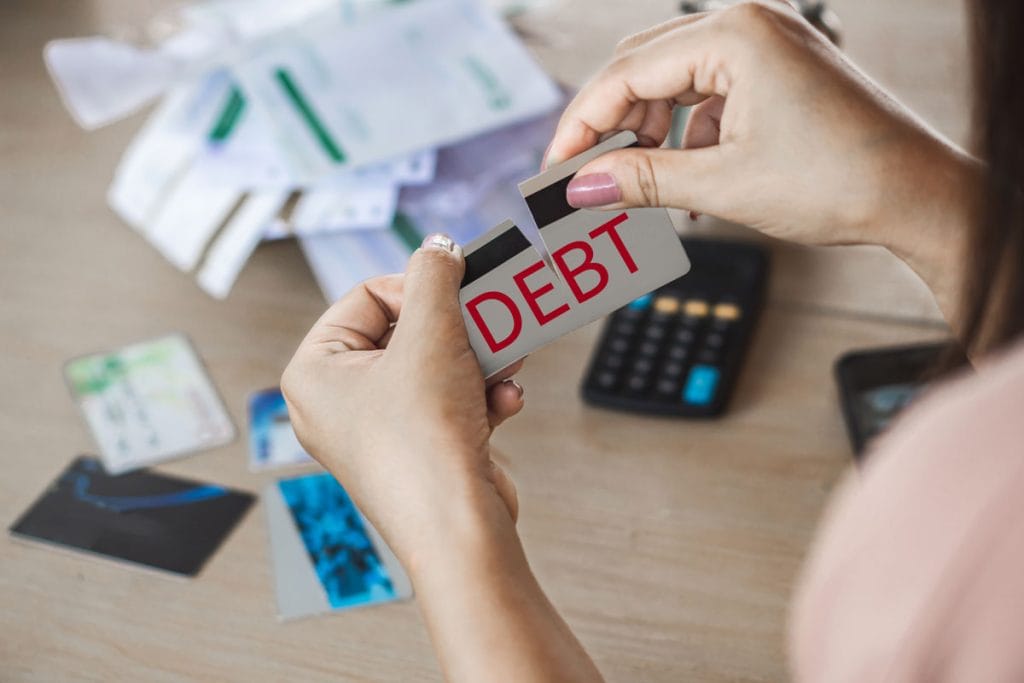
Completing a Debt Repayment Scheme (DRS) marks a significant milestone in your financial journey. This structured debt management program, designed to help individuals repay their creditors in a manageable way, provides relief from overwhelming debt burdens. However, the journey doesn’t end with your final payment—it’s the beginning of a new chapter focused on rebuilding your creditworthiness.
Understanding how to strategically rebuild your credit after DRS completion is crucial for securing your financial future. Your credit score may have been impacted during the repayment period, but with the right approach, you can restore and even improve your credit standing. This comprehensive guide will walk you through proven strategies to rebuild your credit effectively and avoid future debt pitfalls.
Taking Your First Steps After DRS Completion
Your actions immediately following DRS completion set the foundation for successful credit rebuilding. These initial steps ensure you have the proper documentation and accurate information needed to move forward.
Obtain Your Completion Certificate
Request your official DRS completion certificate from your appointed trustee or the relevant authority that supervised your case. This document serves as proof that you successfully fulfilled all obligations under the scheme. Keep multiple copies of this certificate, as you may need to provide it to credit agencies, lenders, or other financial institutions as evidence of your completed program.
The completion certificate also helps establish a clear timeline for your credit rebuilding efforts. Many lenders view the successful completion of a DRS favorably, as it demonstrates your commitment to resolving financial obligations responsibly.
Review Your Credit Report Thoroughly
Obtain copies of your credit reports from all major credit reporting agencies. Examine each report carefully for accuracy, paying particular attention to:
- The status of debts included in your DRS
- Payment history during the repayment period
- Any accounts that should be marked as “paid” or “settled.”
- Incorrect personal information or account details
If you discover inaccuracies, file disputes with the credit reporting agencies immediately. Correcting errors on your credit report is one of the most effective ways to improve your credit score quickly. Document all correspondence and follow up regularly until corrections are made.
Proven Strategies to Rebuild Your Credit
With your documentation in order and credit reports reviewed, you can begin implementing targeted strategies to rebuild your credit score. These approaches are specifically designed for individuals recovering from debt management programs.
Secure a Secured Credit Card
A secured credit card represents one of the most accessible credit-building tools for individuals with damaged credit. Unlike traditional credit cards, secured cards require a cash deposit that serves as your credit limit. This deposit reduces the lender’s risk, making approval more likely even with a lower credit score.
When selecting a secured credit card, look for options that:
- Report to all three major credit bureaus
- Offer the possibility of graduating to an unsecured card
- Have reasonable fees and interest rates
- Provide online account management tools
Use your secured card responsibly by making small purchases and paying the full balance each month. This demonstrates positive payment behavior and helps establish a new pattern of responsible credit use.
Become an Authorized User
Ask a trusted family member or friend with excellent credit to add you as an authorized user on their credit card account. This strategy enables you to leverage their positive payment history and low credit utilization, potentially enhancing your credit score.
Ensure the primary cardholder maintains excellent payment habits, as any negative activity will also impact your credit. Establish clear agreements about card usage and payment responsibilities to protect both parties’ financial interests.
Apply for a Credit-Builder Loan
Credit-builder loans are specifically designed to help individuals establish or rebuild credit. These loans work differently from traditional loans—the lender holds the loan amount in a savings account while you make monthly payments. Once you have covered all costs, you will receive the loan amount plus any accrued interest.
Credit-builder loans offer several advantages:
- No risk of overspending since you don’t receive the money upfront
- Guaranteed approval for most applicants
- Regular payment reporting to credit bureaus
- Forced savings component that builds your emergency fund
Many credit unions and community banks offer credit-builder loan programs with favorable terms and lower fees than traditional lenders.
Practice Responsible Credit Habits
Establishing consistent, responsible credit habits forms the cornerstone of successful credit rebuilding. Focus on these fundamental practices:
Make all payments on time: Payment history accounts for 35% of your credit score, making timely payments the most critical factor in credit rebuilding. Set up automatic payments or calendar reminders to ensure you never miss a due date.
Keep balances low: Maintain credit utilization below 30% of your available credit limits, with a target of below 10% being ideal. Low utilization ratios demonstrate responsible credit management and positively impact your credit score.
Pay more than the minimum: When possible, pay the minimum required payment plus an additional amount. This reduces your balances more quickly and demonstrates your commitment to debt repayment to lenders.
Long-Term Credit Building Strategies
As your credit begins to improve, implementing long-term strategies will help you achieve and maintain excellent credit scores while building a strong financial foundation.
Diversify Your Credit Mix
Credit scoring models favor individuals with diverse credit portfolios that demonstrate experience managing different types of credit. Consider gradually adding:
- A traditional credit card (after successfully managing a secured card)
- An installment loan (auto loan, personal loan, or mortgage)
- A retail credit card for stores you frequently visit
Only add new credit accounts when you can manage them responsibly. Each new account should serve a specific purpose and fit within your overall financial plan.
Monitor Credit Utilization Across All Accounts
As you acquire additional credit accounts, monitor your utilization ratios both on individual cards and across all accounts combined. Credit scoring models evaluate both per-card utilization and overall utilization, so maintaining low balances across all accounts is essential.
Consider using a credit monitoring service to track your utilization ratios and receive alerts when balances approach concerning levels. Many financial institutions offer free credit monitoring services to their customers.
Avoid Accumulating New Debt
The most important long-term strategy is avoiding the debt accumulation that led to your DRS enrollment. Implement these preventive measures:
Create and maintain an emergency fund: Build savings equal to three to six months of expenses to handle unexpected costs without relying on credit.
Develop a comprehensive budget: Track income and expenses carefully to ensure you’re living within your means and can comfortably manage all financial obligations.
Practice mindful spending: Before making a purchase, especially a large one, evaluate whether it’s necessary and fits within your budget.
Seek financial education: Continue learning about personal finance topics to make informed decisions and avoid common financial pitfalls.
Building Your Financial Future
Rebuilding credit after completing a DRS requires patience, consistency, and commitment to responsible financial habits. The process typically takes 12 to 24 months to see significant improvements, but the effort invested will pay dividends throughout your financial life.
Remember that your successful completion of a DRS demonstrates your ability to honor financial commitments and overcome challenges. Use this experience as motivation to build stronger financial habits and achieve your long-term financial goals.
At Winz Credit, we recognize that every individual’s financial situation is unique, and we’re committed to supporting them at every stage of their financial journey. Our experienced professionals can provide personalized guidance to help you navigate the credit rebuilding process and achieve lasting economic stability.
Your fresh start begins now. Take the first step today by obtaining your completion certificate and reviewing your credit report. With dedication and the right strategies, you can rebuild your credit and secure a brighter financial future.