When faced with a significant expense—buying a new car, making home improvements, or planning a major event like a wedding—there’s often a tough decision to make: should you save up for the purchase or take a personal loan to cover the cost? Both options have their merits, and understanding the pros and cons of each can help you make the best financial decision.
In this blog, we will explore various factors that influence this choice and provide insights into the impact of interest rates, financial goals, and strategies for both saving and borrowing.
Pros and Cons of Saving Up for Big Purchases
Saving up for a large purchase can be a responsible and rewarding approach. Here are the key pros and cons of this method:
Pros:
- No Debt: By saving, you avoid going into debt. There’s no need to worry about repaying a loan or accumulating interest.
- Sense of Achievement: Saving for a big purchase can provide a sense of accomplishment and financial discipline. You get the satisfaction of buying something with your hard-earned money.
- Interest Earned on Savings: If you save your money in an interest-bearing account, you can grow your savings slightly while working toward your goal.
- No Pressure from Repayments: Without the burden of monthly loan repayments, you ultimately control your cash flow.
Cons:
- Time-Consuming: Saving for a large expense can take a long time, especially if the cost is substantial. Delayed gratification can be difficult if you need the item sooner rather than later.
- Inflation Risk: The value of your savings could decrease over time due to inflation, especially if you’re saving for several years.
- Missed Opportunities: You might miss out on time-sensitive opportunities, such as special offers or discounts, by waiting to save up enough money.
Benefits & Drawbacks of Taking a Personal Loan
On the other hand, taking a personal loan allows you to make big purchases without waiting. However, borrowing money comes with its own set of advantages and risks:
Benefits:
- Immediate Access to Funds: A personal loan allows you to make the purchase immediately and enjoy the benefits immediately.
- Fixed Monthly Payments: Most personal loans have fixed repayment terms, which makes it easier to budget for monthly installments.
- Build Credit History: If managed responsibly, taking out a personal loan and repaying it on time can help improve your credit score.
Drawbacks:
- Interest Costs: The biggest downside of a personal loan is the interest cost. Over time, you’ll pay more than the purchase price, as lenders charge interest on the amount borrowed.
- Debt Burden: Being in debt can affect financial stability and limit future borrowing options. If you struggle to make repayments, it can lead to financial stress and damage your credit rating.
- Fees and Penalties: Personal loans may come with additional fees, such as origination fees or prepayment penalties, which can add to the overall cost.
Key Factors to Consider: Saving vs.Borrowing a Personal Loan
Several key factors should be considered before choosing between saving and borrowing:
- Urgency of the Purchase: If the purchase is immediately necessary, such as home repairs or medical expenses, a loan might be the best option. However, saving may be more prudent if the purchase is something that can wait, like a luxury item.
- Current Financial Situation: Assess your current financial stability. Do you have a steady income and the ability to save? Or are you comfortable taking on debt and making monthly payments?
- Long-Term Financial Goals: Your financial goals, such as retirement savings or buying a home, should influence your decision. Taking on debt may slow down other financial plans, but saving ensures you stay on track.
- Comfort with Debt: Some people prefer to avoid debt at all costs, while others are more comfortable borrowing money and managing repayments.
If you’re considering a personal loan, explore competitive rates from Winz Credit.
Impact of Interest Rates on Savings vs. Personal Loan Repayments
Interest rates play a crucial role in both saving and borrowing decisions:
- Savings Interest Rates: When you save, the interest rate on your savings account can help grow your money. However, in many cases, savings accounts offer low interest rates, meaning your cash might increase slowly over time.
- Loan Interest Rates: The interest rate on personal loans is typically higher than the interest earned on savings. This means that borrowing often costs more in the long run than waiting and saving. It’s important to compare loan rates from different lenders to get the best deal.
How Personal Financial Goals and Circumstances Influence the Decision
Your financial goals and current situation heavily influence whether you should save or take a loan:
- Short-Term vs. Long-Term Goals: If you focus on long-term financial stability, saving up for purchases is the more conservative route. However, a loan might be justified if the purchase is critical to achieving short-term goals.
- Income Stability: If you have a stable and predictable income, taking a loan may be easier to manage. For those with fluctuating incomes, saving may be the safer option to avoid the risk of missed loan payments.
Risks Associated with Borrowing Money Compared to Saving Up
While taking a personal loan can help you make immediate purchases, it also comes with risks:
- Debt Accumulation: Borrowing money increases your debt load, which can lead to financial strain if not managed carefully.
- Missed Payments: Failing to make loan repayments on time can result in late fees, higher interest rates, and damage to your credit score.
- Impact on Future Borrowing: Taking on too much debt can reduce your borrowing capacity in the future, limiting your ability to secure loans for more critical needs.
In contrast, saving up reduces the financial risks associated with borrowing but may delay your ability to make a purchase.
Strategies for Effective Saving or Borrowing for Significant Expenses
Whether you choose to save or borrow, adopting a smart financial strategy is essential:
For Saving:
- Set a Clear Goal: Define how much you need and by when. This makes it easier to stay motivated and track your progress.
- Automate Savings: Set up automatic transfers to a savings account so you consistently contribute towards your goal.
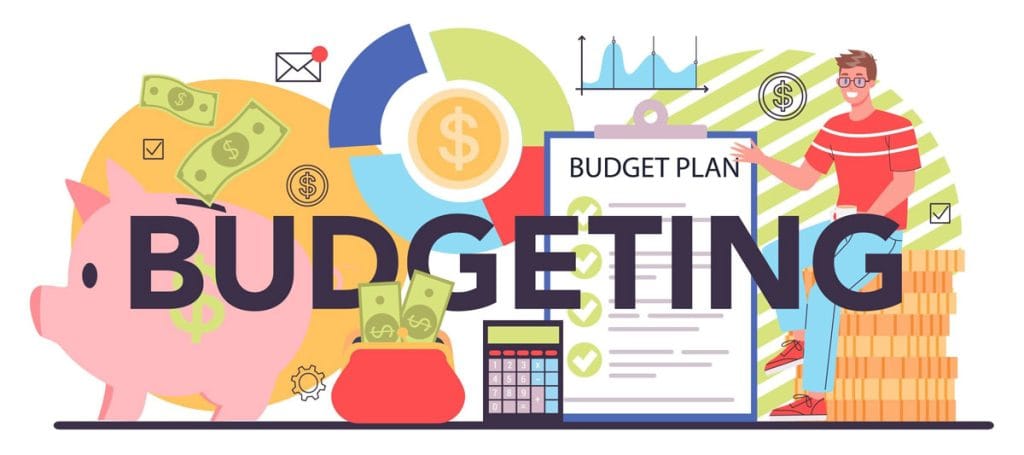
- Create a Budget: Cut unnecessary expenses to save more money.
For Borrowing:
- Shop Around for the Best Loan: Compare different lenders’ interest rates and loan terms to find the most affordable option.
- Use Loan Calculators: Use loan calculators to estimate monthly payments and total interest costs before committing.
- Plan for Early Repayment: Choose a loan without prepayment penalties to pay it off sooner and reduce interest costs.
Conclusion
Deciding whether to save or take a personal loan for big purchases depends on your unique financial circumstances and the urgency of your needs. While saving offers a debt-free approach and long-term financial security, taking out a personal loan lets you access funds immediately and spread payments over time. At Winz Credit, we understand that each individual’s financial situation is different, and we are committed to helping you make informed decisions.
If you decide that a personal loan is the right choice for your needs, our team is here to offer customized loan solutions with competitive interest rates and flexible repayment options. Whether you’re making a large purchase or handling an unexpected expense, we’re here to provide the support you need.
Contact us today to explore your personal loan options and take the next step toward achieving your financial goals.